
Notes on what comes next.
Long-form perspectives on business, technology, AI, data and the difficult art of decision-making.
Explore the field notes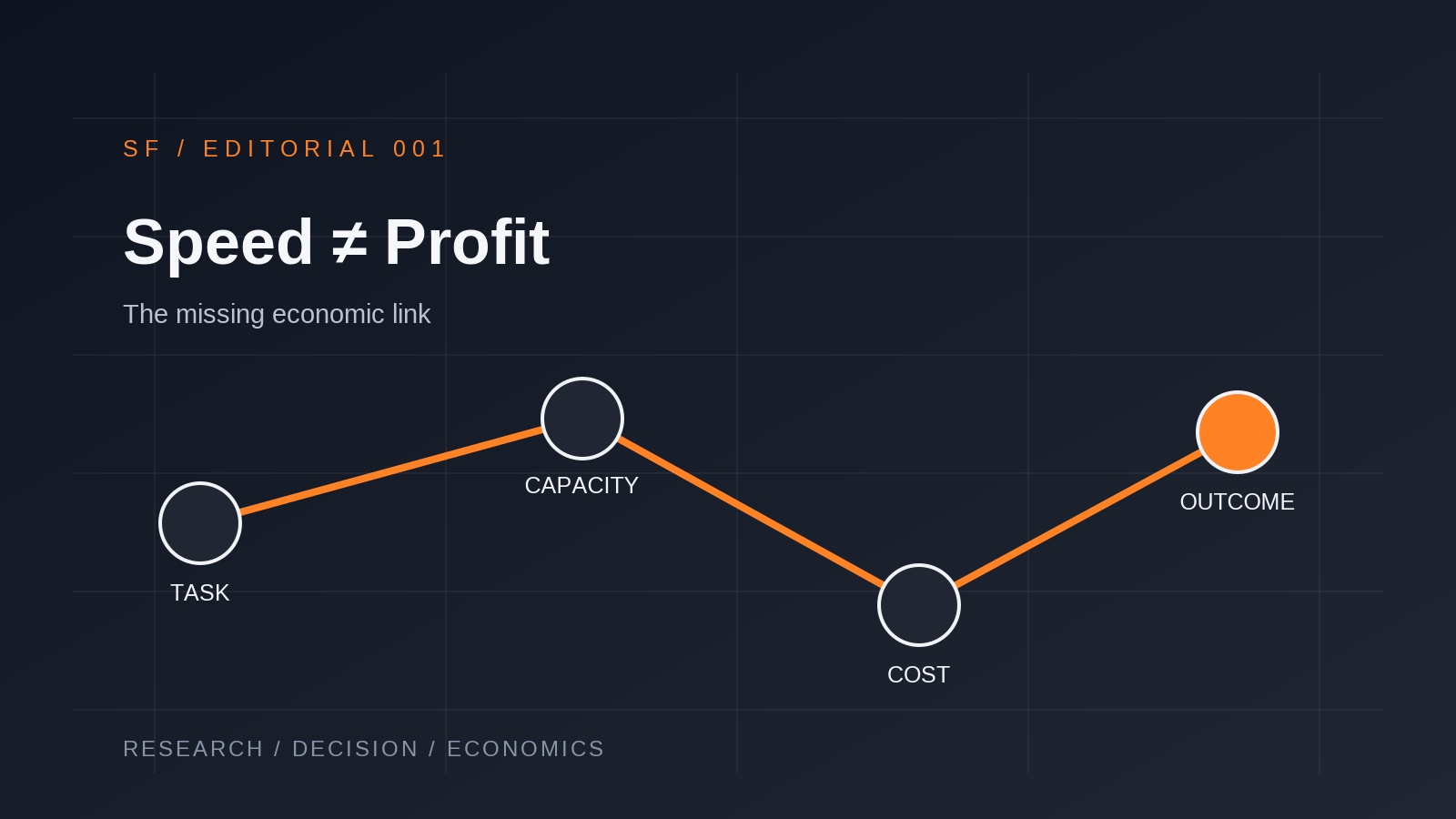 01
Why AI Productivity Gains Do Not Automatically Become Profits
Doing the same task faster is not the same as earning more money. The missing link runs through demand, quality, cost and bargaining power.
 02
Why dashboards are no longer enough: from business intelligence to better decisions
Organizations are rich in charts and poor in decision clarity. The missing layer is not another visualization—it is an accountable path from evidence to action.
 03
Semantic debt compounds more quietly than technical debt
A definition that drifts can make every downstream system confidently wrong.
 04
A customer portal is the interface to a business relationship
The strongest portal gives customers clarity and control, not another place to enter the same information.
 05
Cloud portability is not the same as cloud neutrality
The goal is not to avoid every platform advantage, but to know where leaving must remain possible.
 06
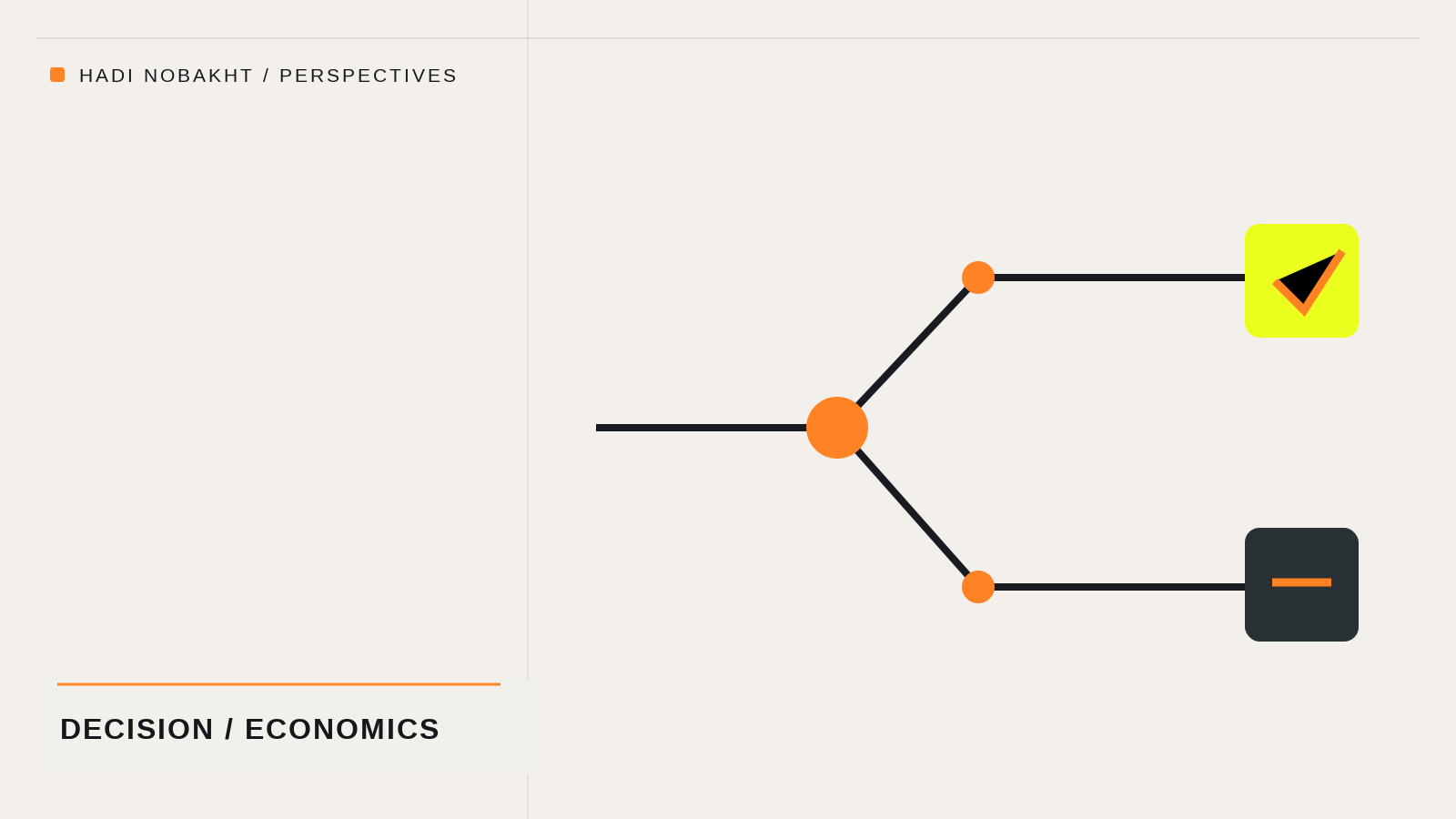
What is the business model of better decisions?
Selling analytics access is easier than proving that intelligence improved an outcome.
 07
A technology radar is a portfolio of bets
A list of fashionable tools is not a strategy. The point is to make adoption decisions legible.
 08
Leadership after AI is still about judgment
More possible answers make it more important to know what an organization stands for.
 09
The right to disagree with AI is a product feature
Recommendations should be understandable, contestable and correctable before becoming authority.
 10
The new interface is intent, but intent needs structure
Language lowers the barrier to action; dependable products still need permissions and durable states.
 11
The hidden cost of an unfinished foundation
When many products depend on one unfinished capability, progress becomes an illusion.
 12
Build a company that can change its mind
The advantage is not certainty about tomorrow. It is the capacity to learn and revise without falling apart.
 13
A data contract should survive the team that wrote it
The most important schema is the one people can depend on after the original owner has moved on.
 14
Real-time is not the same as reliable
A five-second answer can be worse than a five-minute answer if nobody knows what has not arrived.
 15
Model routing is product policy disguised as infrastructure
Choosing which model answers a question also chooses the cost, confidence and consequences of its answer.
 16
Security is a product interface, not a hidden department
Customers experience security through permissions, recovery, evidence and the moments when something goes wrong.
 17
Prediction is not intervention
Knowing who might leave is different from knowing what will make them stay.
 18
Build versus buy is a question about context
The right answer depends on where differentiation lives and where dependency would become expensive.
 19
Privacy-preserving intelligence should still be useful
The real design challenge is to deliver the right insight with less exposure, not to choose between analysis and privacy.
 20
Data lineage is the history of a decision
If the meaning of a metric changes, a company must be able to discover which choices were made with the old meaning.
 21
Observability needs a business unit, not just a log line
A service can be technically healthy and economically unwell.
 22
A technology strategy should say what not to automate
Not every step that can be automated should lose its human judgment.
 23
Identity is the first contract of a platform
Authentication is only the beginning. Identity determines how trust travels between products.
 24
Financial intelligence needs a reconciled reality
A forecast built on unreconciled transactions is a sophisticated guess.
 25
Trust is built into the way a customer can leave
A service that makes departure possible is more credible while customers stay.
 26
Agent evaluation must test the business, not just the model
Benchmarks cannot tell you whether an automated action was appropriate in your operating context.
 27
The future belongs to products that can preserve context
A business does not need every app to know everything. It needs decisions to retain their meaning across boundaries.
 28
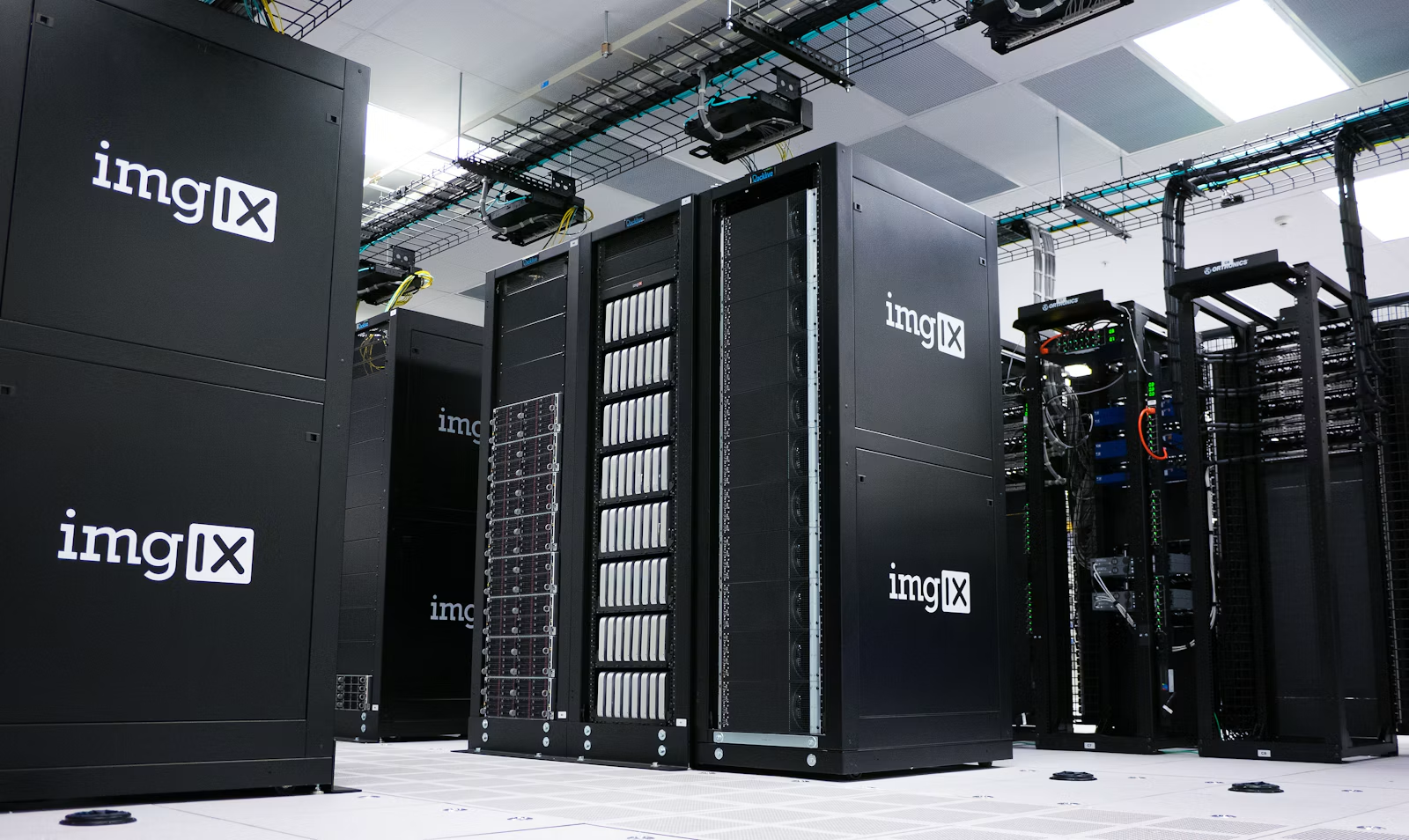
Data ownership is a power relationship, not a checkbox
If customers cannot move, audit, understand and revoke access to their information, a promise of ownership is incomplete.
 29
The semantic layer is the memory of a business
A number without a shared meaning is not intelligence; it is a future disagreement.
 30
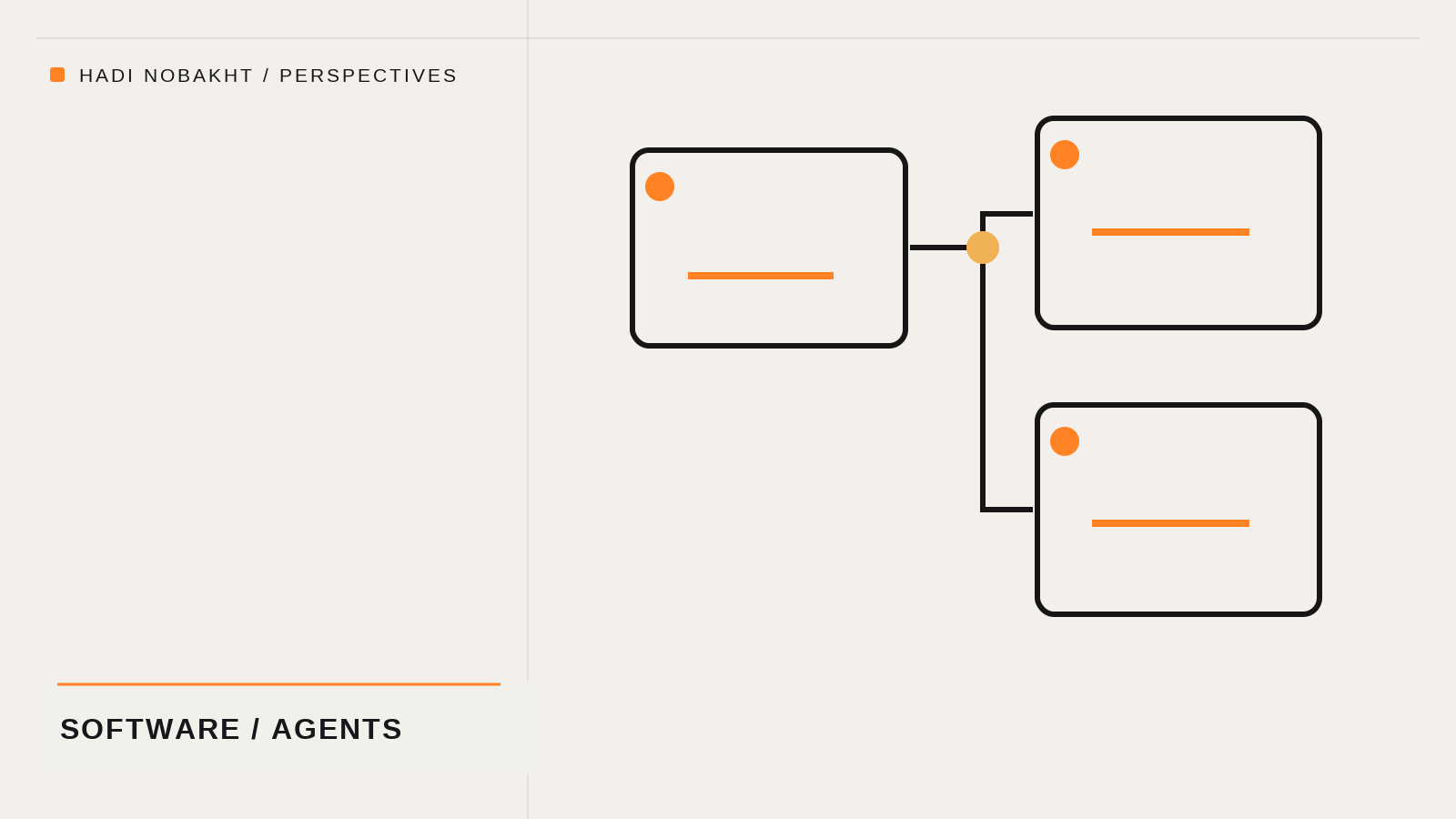
What does SaaS become when software starts doing the work?
The interface is changing; accountability, economics and durable product boundaries matter more than ever.
 31
The economics of intelligence must survive the invoice
A clever prototype is not a business model. Unit economics begins where the demo ends.
 32
Every metric creates a behavior. Choose the behavior first.
Measurement is not neutral. An organization becomes what it rewards.
 33
Independent products need shared foundations
Shared infrastructure creates leverage only when domain ownership remains clear.
 34
Before giving an agent tools, give it boundaries
Autonomy is not a feature toggle. It is a transfer of authority that must be designed.
 35
Digital transformation without transformation theater
Technology projects are not evidence of business transformation until behavior and outcomes change.
 36
Data sovereignty is a design constraint, not a flag
Location, control and capability are related—but they are not the same thing.
 37
The future of BI is not more dashboards. It is better questions.
From reporting yesterday to understanding choices tomorrow.
 38
Decision latency is the cost nobody sees
Faster information means little if the organization cannot act.
 39
Strategy is the management of options
Every architecture, partnership and product bet changes what a company can choose next.
 40
A successful AI pilot proves less than you think
The distance from demo to durable product is made of exceptions, ownership and operating costs.
 41
Decision intelligence begins where dashboards end
Information does not make a decision. People and systems do.
 42
AI-native is an operating model, not a software purchase
The real transformation changes work and accountability.