
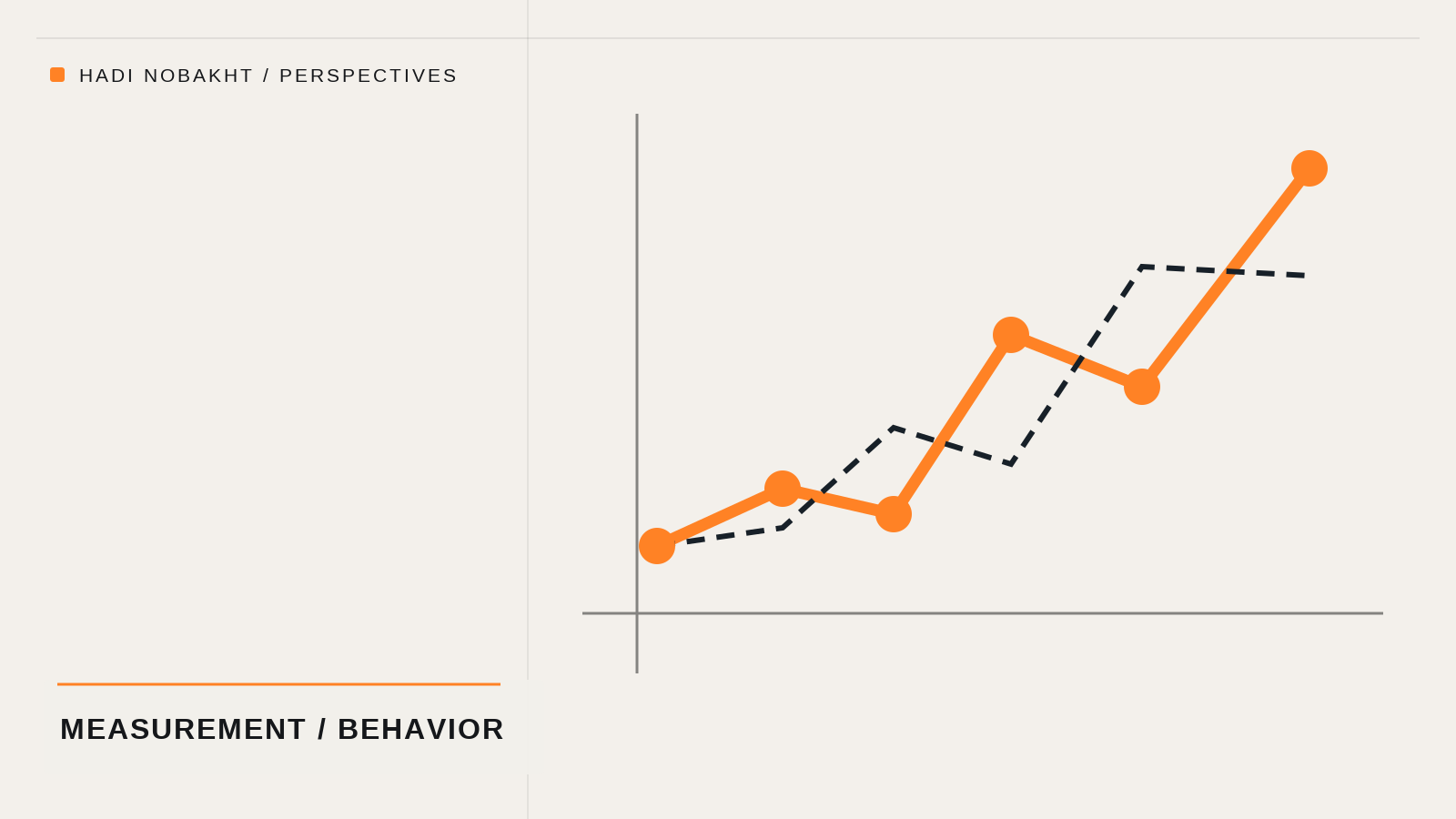
A metric is often presented as an objective description of reality. Inside an organization it does more: it changes the incentives of people who know they are being measured. If support teams are rewarded solely for speed, complex cases may be closed prematurely. If growth teams chase new accounts without measuring retention, short-term success can conceal long-term fragility.
The first question should not be “What can we measure?” but “What behavior do we want this number to encourage?” The second is what unintended behavior the metric might reward. For every headline KPI, identify one countermetric that exposes its blind spot. Revenue growth belongs beside gross margin and retention; incident response speed beside repeat incidents and customer harm.
Good metrics need semantic discipline. State the population, exclusions, time window, attribution rules and owner. A dashboard that changes a definition without telling its users alters business decisions without permission. Versioning metrics is therefore a governance problem, not a documentation preference.
Make measurement a conversation rather than a verdict. Review decisions taken because a KPI moved; ask whether those actions produced the intended outcome. A healthy analytics system helps people challenge metrics, not merely obey them. When a number is powerful enough to change behavior, it must be accountable for that change.
A metric also gives instructions
Once rewards or reputation depend on a number, the number stops being a neutral description. Measure a support team by tickets closed and it may start closing tickets sooner, even when problems remain unresolved. The response need not be malicious. People notice what their organization rewards. Choosing a metric is therefore a behavioral and cultural decision.
Keep goals, measures and guardrails apart
A goal might be customer confidence. A measure could be time to resolution; a guardrail might be cases reopened within seven days. Confusing these layers can make a faster reply look like a better experience. Every metric needs a clear definition of population, exclusions, units and time windows. Without that agreement, two technically correct reports can contradict each other.
The sales-growth trap
An ecommerce team reports higher order volume while finance sees margin erosion from discounts, returns and support costs. The teams may both be right. Rather than adding endless charts, combine a meaningful primary measure with net revenue, contribution margin, cost to serve and customer outcomes. The goal is to distinguish genuine improvement from the movement of cost into an unmeasured corner.
Too many metrics create a new problem
One response to metric gaming is to add a hundred metrics. That can paralyze attention and obscure accountability. A more useful approach is one decision-oriented primary measure plus a small set of explicit protections, reviewed when business conditions change. Guardrails are not universal; they reflect which unintended consequences matter in this context.
Definitions have to travel across tools
If finance recognizes revenue at settlement while product analytics counts orders on submission, the resulting mismatch might reflect different legitimate purposes. A semantic layer helps preserve definitions, units and owners across consumers. Technical consistency is useful only after the business meaning has been agreed.
Ask what the number changed
A strong performance review asks not only what the metric says but how people changed their behavior in response. Sometimes the right outcome is retiring a metric or publishing its limitations. Good measurement does not replace judgment; it improves the discussion that makes judgment possible.